










The cultural significance of gambling in modern society
The cultural significance of gambling in modern society
The Historical Context of Gambling
Gambling has deep historical roots, tracing back to ancient civilizations where games of chance were often tied to religious rituals and cultural practices. In ancient Rome, for example, betting on gladiatorial contests was common, reflecting the societal values of bravery and competition. Such activities provided not only entertainment but also a way for communities to bond over shared experiences, establishing a sense of identity and belonging among participants. In today’s online landscape, players can easily visit sites like lolajackk.com to continue engaging with this rich tradition.
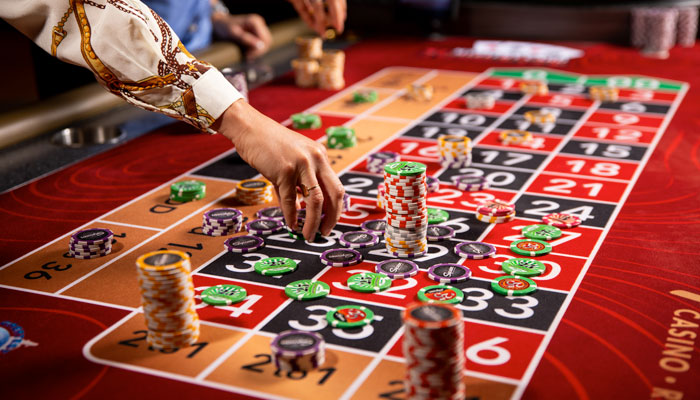
As societies evolved, so did the nature of gambling. In the Middle Ages, lotteries were often used to fund public projects, from building cathedrals to constructing roads, highlighting the communal aspect of gambling as a means for societal advancement. This historical context laid the groundwork for modern gambling practices, which have increasingly become commercialized and accessible, showing how cultural significance can shift over time while retaining a core element of societal engagement.
Today, the evolution of technology has transformed traditional gambling into various forms, from casinos to online platforms. This shift has not only broadened access but also changed the perception of gambling, making it a more ubiquitous aspect of daily life. Understanding this historical journey provides insight into why gambling continues to hold cultural significance in contemporary society.
The Social Dynamics of Gambling
Gambling serves as a social lubricant, enabling individuals to interact in ways that might not occur in more formal settings. Whether at a casino table or during a friendly poker game, the act of gambling fosters connections among players, facilitating conversations and camaraderie. This social aspect can be particularly vital in tight-knit communities, where local gaming establishments become gathering spots, creating a sense of unity and shared purpose.
Moreover, gambling can serve as a means of escapism, offering individuals a break from daily routines and stresses. The thrill of placing a bet can create an adrenaline rush, which, combined with social interaction, can be a powerful draw for many. This escapism is often celebrated in popular culture, evident in films, music, and literature that portray gambling as an exhilarating pursuit, further embedding it into the social fabric of modern life.
Additionally, organized events such as charity poker tournaments have become popular, showcasing how gambling can also serve a philanthropic purpose. These events not only raise funds for important causes but also unite communities around shared values, demonstrating that gambling can have positive social outcomes. By engaging with gambling in a socially responsible way, communities can benefit from the excitement while supporting one another.
The Role of Luck and Skill
In gambling, the interplay of luck and skill has cultural significance, as different games emphasize these elements to varying degrees. For instance, poker is often viewed as a game of skill, where strategic thinking and psychological insight can lead to success. This perception elevates the player’s experience, as they believe their abilities can influence the outcome, fostering a sense of empowerment and agency.
Conversely, games like slots primarily rely on chance, which can create a different cultural narrative around gambling. The randomness of outcomes in these games is appealing for many, as it levels the playing field—anyone can win, regardless of their experience or expertise. This unpredictability adds to the thrill and excitement that attracts countless players, making these games a staple in gambling culture.
The balance between luck and skill also mirrors societal views on risk and reward. Many cultures celebrate the notion of taking risks for potential gains, viewing it as a fundamental aspect of life. This cultural attitude towards gambling reinforces a sense of adventure and the idea that fortune favors the bold, encouraging individuals to embrace uncertainty in both gaming and life.
Economic Impact of Gambling
Gambling has a significant economic footprint, contributing to local and national economies through tax revenue and job creation. Legalized gambling industries, including casinos and online platforms, generate substantial income that can be reinvested into communities, funding public services and infrastructure projects. This economic benefit illustrates the complex relationship between gambling and society, as it can be a double-edged sword, providing resources while also posing risks of addiction and social issues.
Moreover, the tourism industry often capitalizes on gambling, with cities like Las Vegas and Monte Carlo becoming synonymous with gaming. These destinations attract millions of visitors annually, eager to engage in various gambling experiences. The economic benefits extend beyond the casinos themselves, positively impacting hotels, restaurants, and entertainment venues, thereby creating a multifaceted economic ecosystem.
However, the economic impact of gambling is not solely positive. Critics argue that it can lead to increased crime and addiction, placing financial burdens on public health systems. This dichotomy highlights the need for responsible gambling practices and policies that balance economic benefits with social responsibility, ensuring that communities reap the rewards without suffering adverse consequences.

The Future of Gambling Culture
The future of gambling culture is poised for transformation as technology continues to advance. Online gaming platforms have made gambling more accessible than ever, allowing individuals to engage from the comfort of their homes. This shift raises questions about the nature of social interactions within gambling, as face-to-face experiences might be replaced by virtual connections. The cultural implications of this change will be significant, as it may redefine how communities engage with gambling.
Additionally, the increasing acceptance of gambling in mainstream culture reflects a broader shift in societal attitudes. As legal regulations evolve, more regions are embracing gambling as a legitimate form of entertainment rather than a vice. This acceptance can lead to greater diversity in gaming options and increased innovation, such as gamification techniques that enhance user engagement and enjoyment.
Ultimately, the future of gambling culture will likely involve a blend of traditional practices and modern technology. As communities navigate these changes, it will be essential to prioritize responsible gambling initiatives that protect players and foster healthy environments. Understanding the cultural significance of gambling will be crucial as societies adapt to this evolving landscape, ensuring that the excitement and community spirit remain at the forefront.
